

Electronic Scrap (E-Scrap) & Battery Recycling
Waste Electrical and Electronic Equipment (WEEE) is one of the fastest-growing waste streams worldwide. It includes any discarded electrical product containing a plug, battery or power cord, from consumer electronics to industrial equipment.
Process Injection Technology for WEEE and Lithium-Ion Battery Recycling
Clyde Pneumatic Conveying provides specialised process injection technologies designed for the demanding requirements of WEEE and lithium-ion battery recycling plants.
WEEE contains a wide range of valuable materials, including:
- Industrial metals such as copper and aluminium
- Precious metals, including gold and silver
- Strategic materials including cobalt, nickel, manganese and lithium
Recovering these materials is essential for both environmental protection and the circular economy.
Clyde injection systems precisely meter and pneumatically inject prepared recycled materials into high-temperature industrial processes through top submerged lances or side blowing nozzles underneath the molten metal level, enabling the efficient recovery of valuable metals.
Handling Difficult Recycled Materials
Recycling electronic equipment produces challenging materials that must be reliably fed into metallurgical processes.
Typical materials include:
- Shredded electronic scrap
- Plastic flakes
- Copper and aluminium foils
- Battery electrode materials
- Lithium battery black mass
- Mixed powders and granules
These materials are often irregular in shape, lightweight, fibrous or prone to tangling, which makes accurate feeding into industrial processes particularly challenging.
Clyde's injection systems are specifically designed to provide controlled feeding of these difficult materials into furnaces and reactors.
Taming Tanglers
Cables, wires, plastic strips and shredded electronic materials are notorious for bridging and tangling, which can cause severe problems in conventional feeding systems.
Clyde's ROTOScrew technology is specifically designed to manage these difficult materials.
Key features include:
- Controlled screw extraction from feed vessels
- Single or multi-screw discharge systems
- Reliable feeding of irregular materials into injection pipelines
- Reduced risk of blockages and equipment downtime
Additional features such as flow liners and internal agitators can also be incorporated to ensure consistent discharge of difficult materials.

Lithium-Ion Battery Recycling
Lithium-ion battery recycling is one of the fastest-growing sectors of the WEEE industry, driven by global demand for critical materials used in electric vehicles and energy storage.
Battery chemistries such as Nickel-Manganese-Cobalt (NMC) and Lithium Cobalt Oxide (LCO) contain valuable metals, including:
- Lithium
- Cobalt
- Nickel
- Manganese
- Copper
- Aluminium
New regulations such as the EU Battery Regulation (2023/1542) are accelerating investment in battery recycling infrastructure.
The regulation requires increasing levels of recycling recovery, including:
- 65% total battery recycling by 2026
- 70% recycling by 2030
- Up to 95% recovery of cobalt and nickel by 2031
- Up to 80% lithium recovery by 2032
These regulations are driving significant global investment in new recycling facilities.

Process Injection into Metallurgical Processes
Prepared recycled materials can be injected directly into high-temperature metallurgical processes to recover valuable metals.
Clyde injection systems are used to feed materials into:
- Copper smelters
- Top Submerged Lance (TSL) furnaces
- Bath smelters
- Flash smelters
- Other high-temperature metallurgical reactors
The injected materials dissolve into the molten metal, where valuable elements such as gold, silver, copper, and platinum-group metals are recovered during downstream refining.
Clyde Injection Technology
Clyde provides specialised injection systems designed specifically for demanding metallurgical environments.

ROTOScrew Injection Systems
Designed for the precise feeding of shredded electronic scrap materials.
Key features include:
- Accurate weight-controlled feeding
- Stable injection into high-temperature processes
- Reliable handling of irregular or fibrous materials
- Batch or continuous operation
Multi-Screw Injection Systems
For higher capacity applications, Clyde provides multi-screw injection systems capable of injecting larger volumes of material.
Benefits include:
- Wider range of E-Scrap particle sizes
- Improved control of difficult materials
- Stable and reliable injection
- High system availability
High-Pressure Process Injection Capability
Clyde injection systems are designed for demanding industrial environments and can operate at:
- Pressures up to 30 barg
- Elevated process temperatures
- Submerged injection beneath molten metal when required
These capabilities allow recycled materials to be safely introduced directly into high-temperature industrial processes.

Supporting the Circular Economy
The recovery of valuable metals from electronic waste and batteries is essential to reducing reliance on primary mining and securing future supplies of strategic materials.
Clyde Pneumatic Conveying supports this transition by providing high-reliability process injection technology that enables efficient integration of recycled materials into modern metallurgical recycling processes.

Our Sectors
Delivering innovative engineering solutions with proven expertise, we specialise in reliable, high-performance systems designed to optimise material handling efficiency, durability, and long-term operational success.
-
Energy
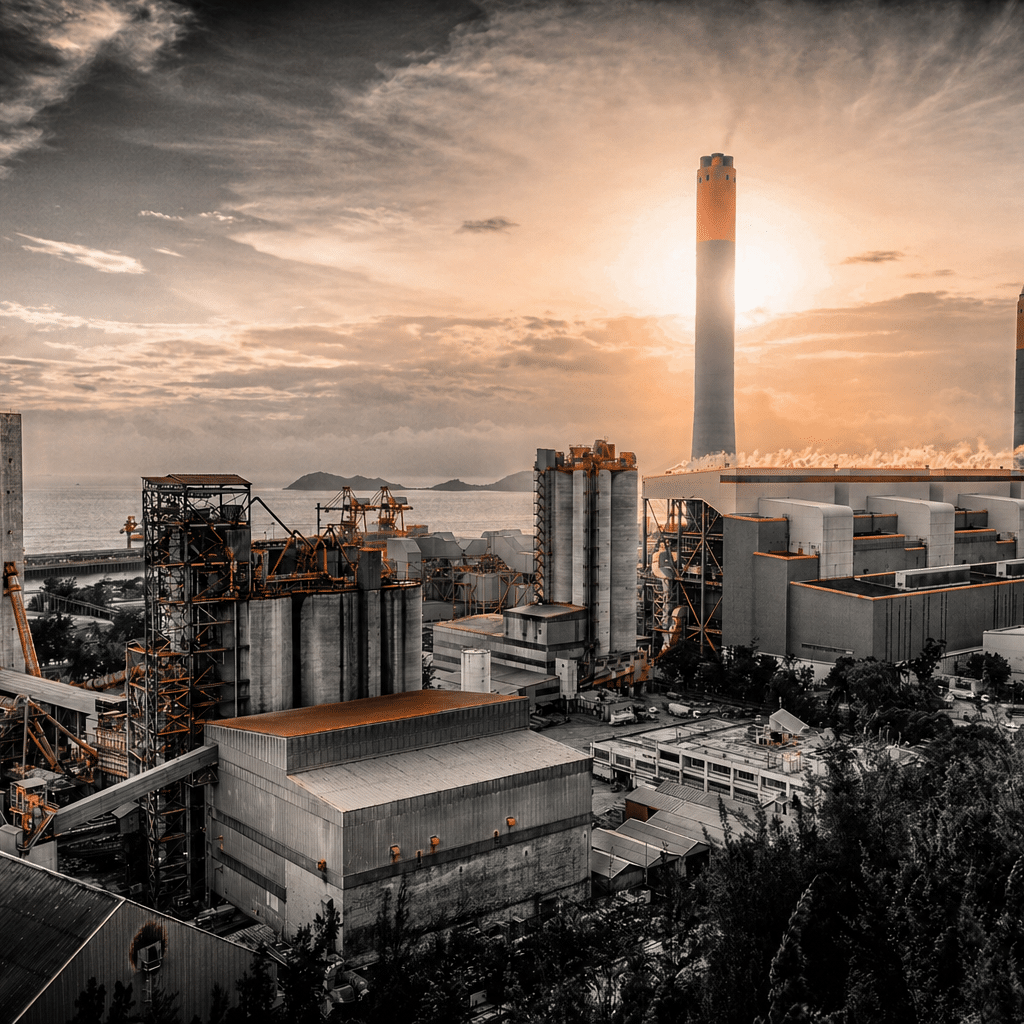
For more than 25 years, we have been a trusted technology partner to the global power generation industry.
Learn MoreEnergy
-
Minerals
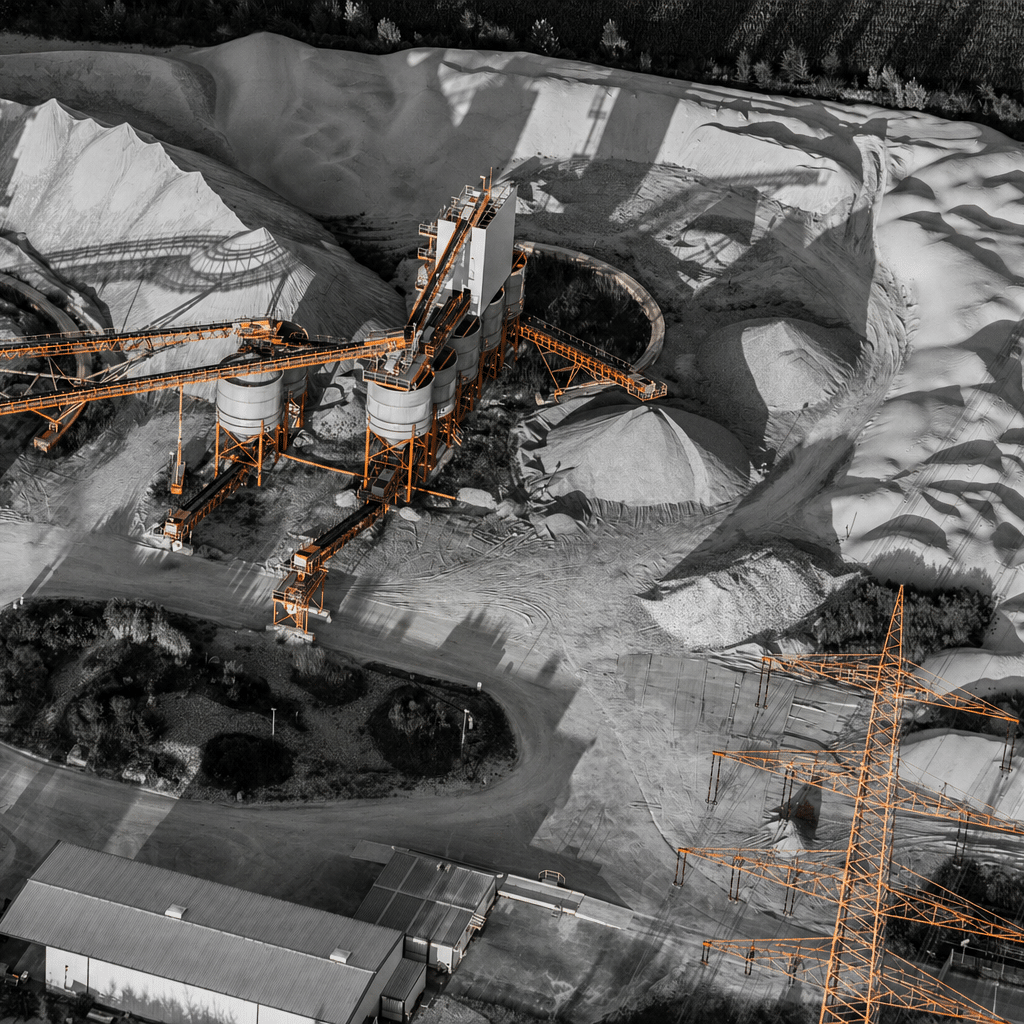
The Minerals industry relies on robust material-handling systems capable of transporting large volumes of fine, abrasive powders
Learn MoreMinerals
-
Chemical & Petrochemical Industry
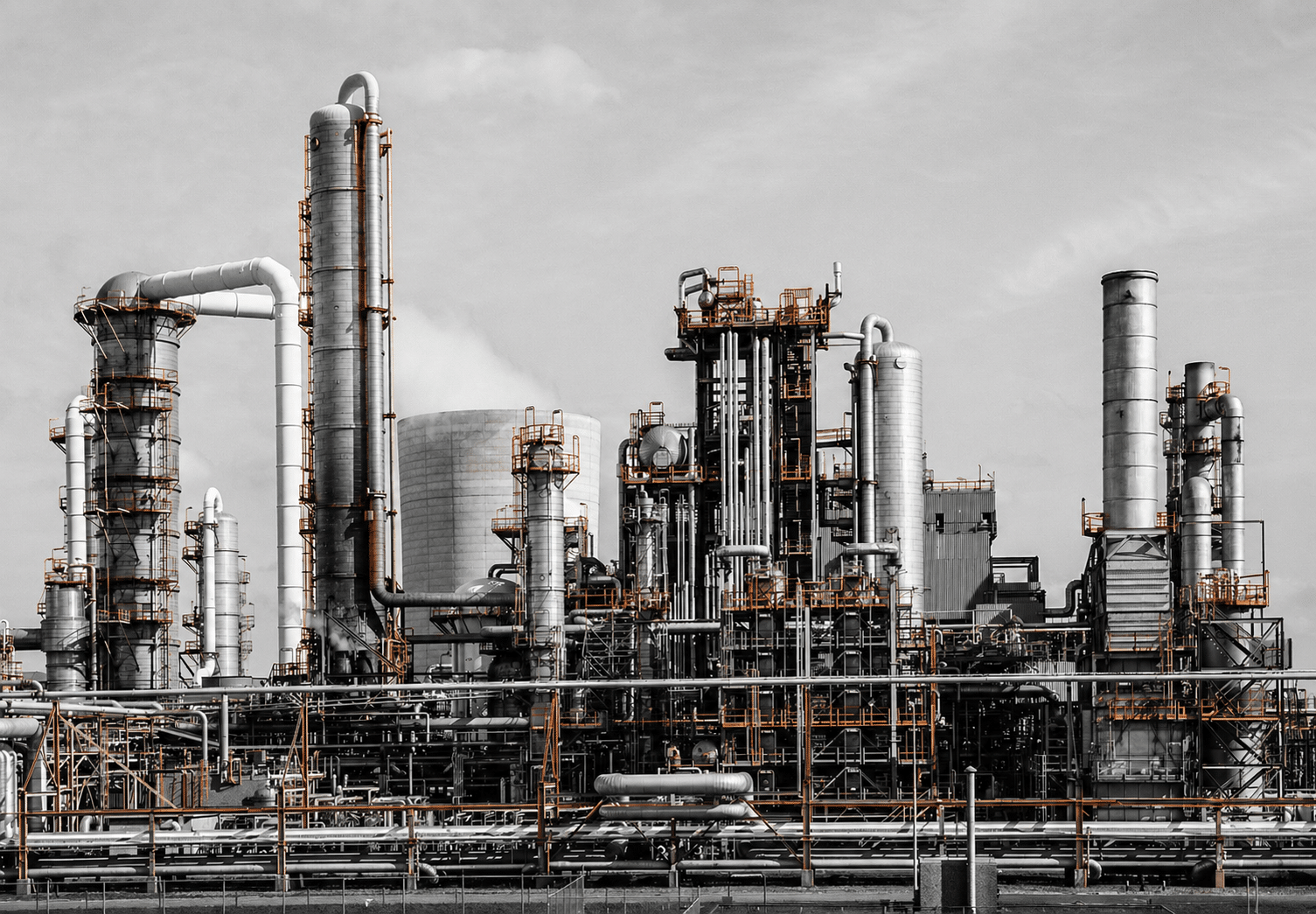
Delivering robust conveying solutions for demanding chemical and petrochemical processes, ensuring safe, efficient handling of abrasive materials, catalyst fines, and high-temperature industrial applications.
Learn MoreChemical & Petrochemical Industry
-
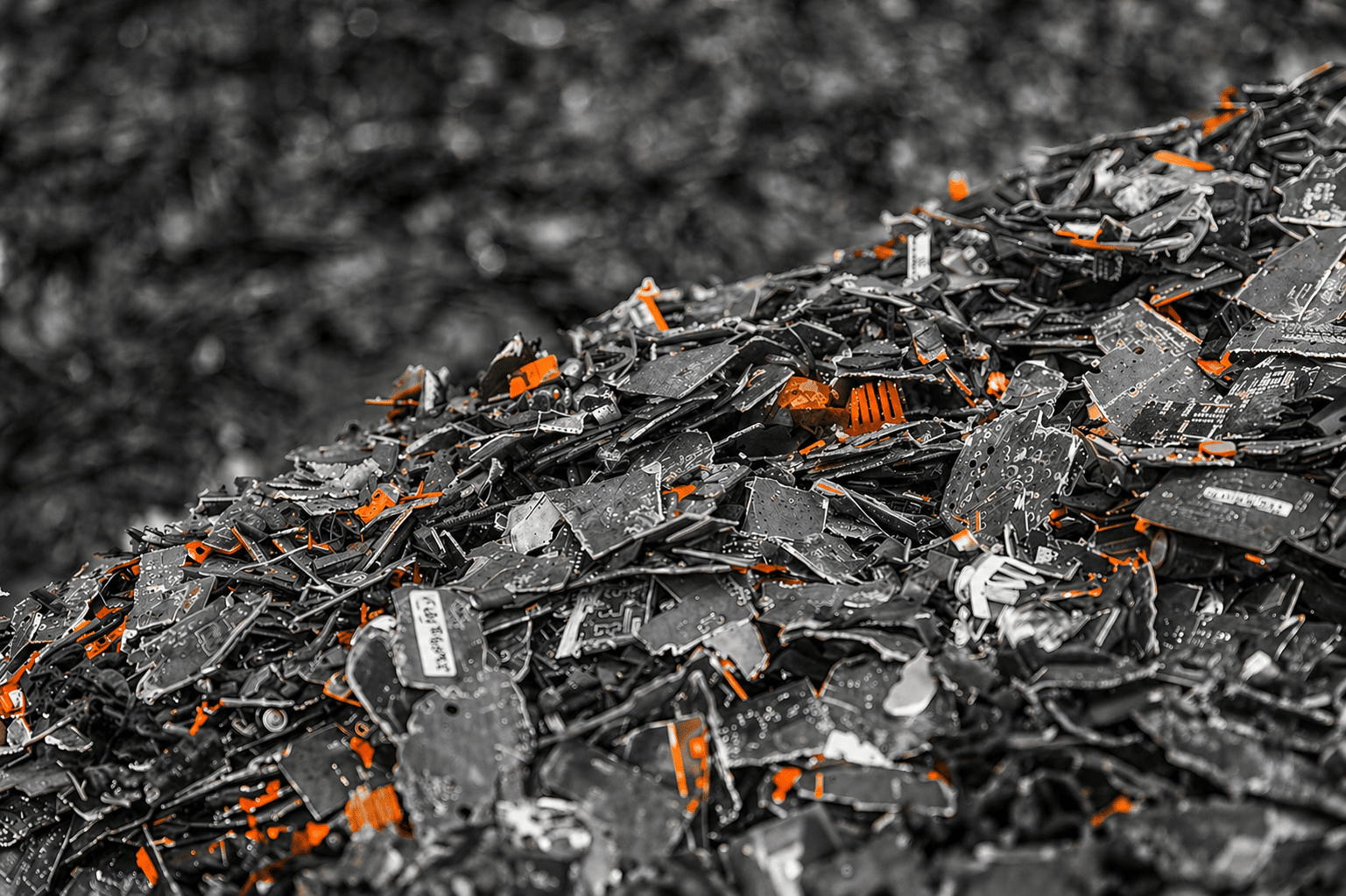
Electronic Scrap (E-Scrap) & Battery Recycling
Waste Electrical and Electronic Equipment (WEEE) is one of the fastest-growing waste streams worldwide.
Learn MoreElectronic Scrap (E-Scrap) & Battery Recycling
-
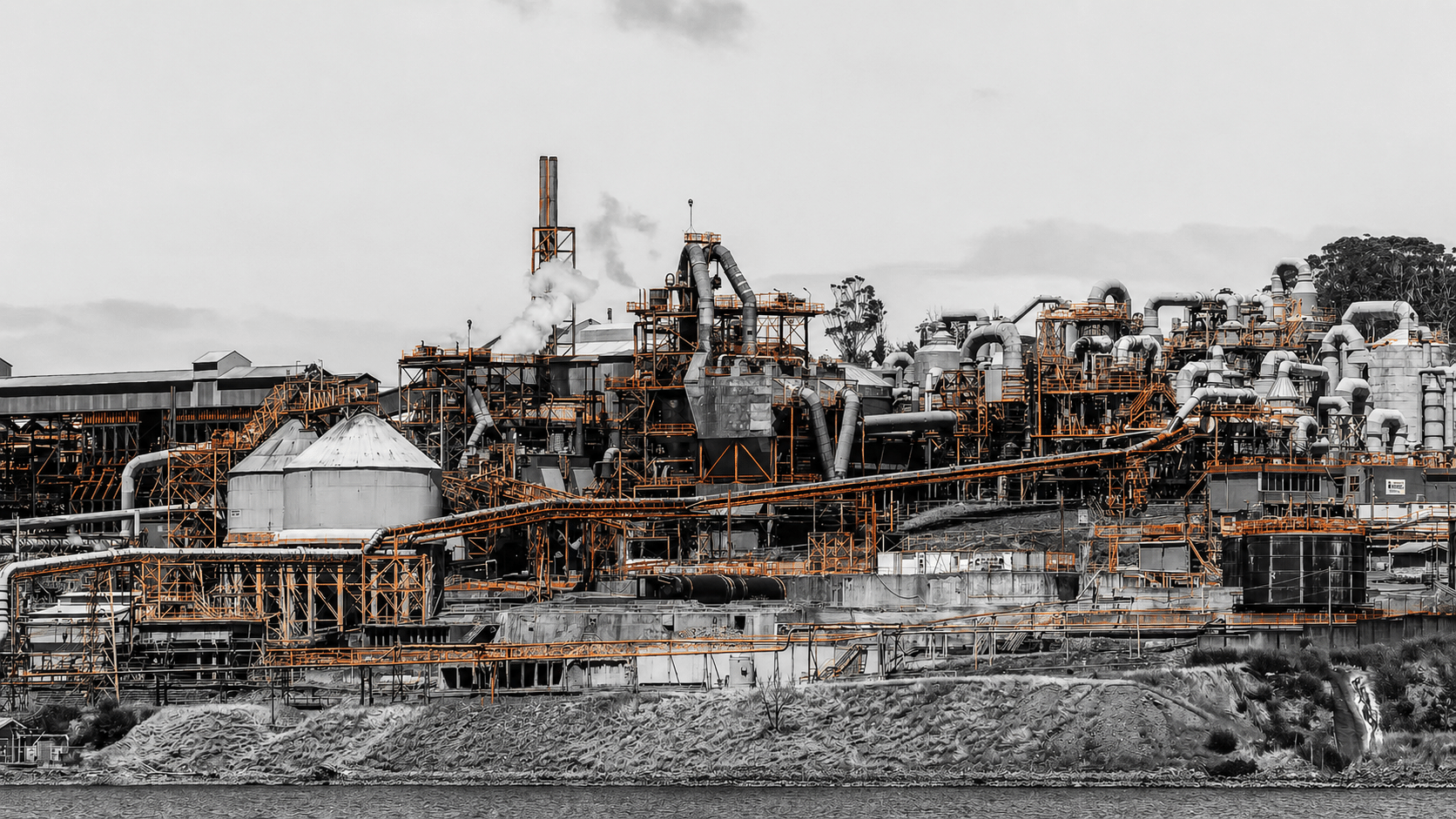
Non-Ferrous Metals
The production of non-ferrous metals such as copper, nickel, lead, zinc and aluminium relies on complex metallurgical processes including smelting, converting, refining and electro-recovery.
Learn MoreNon-Ferrous Metals
-
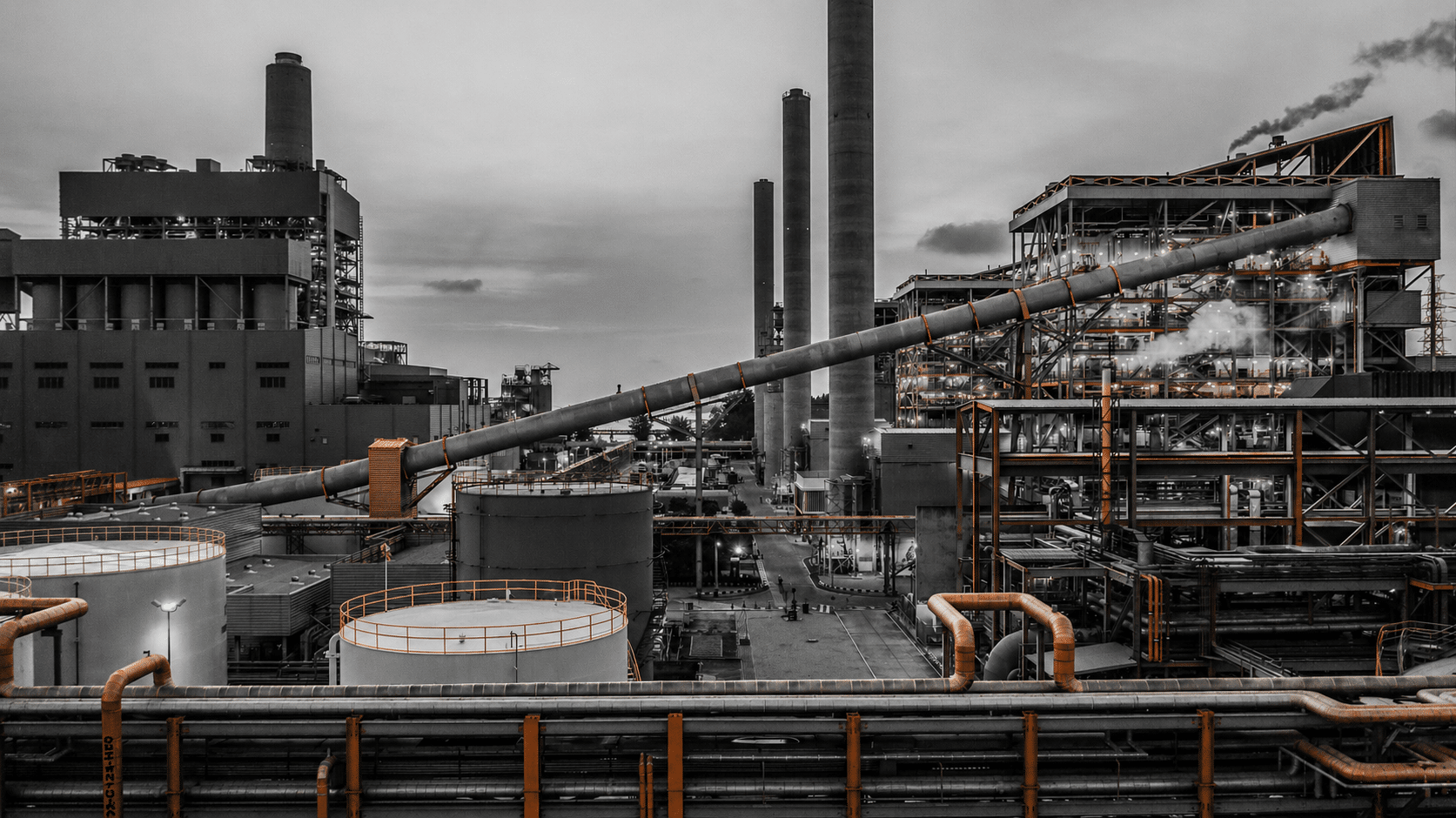
Iron & Steel
The iron and steel industry is undergoing a significant transformation as producers work to improve efficiency and reduce carbon emissions.
Learn MoreIron & Steel
-
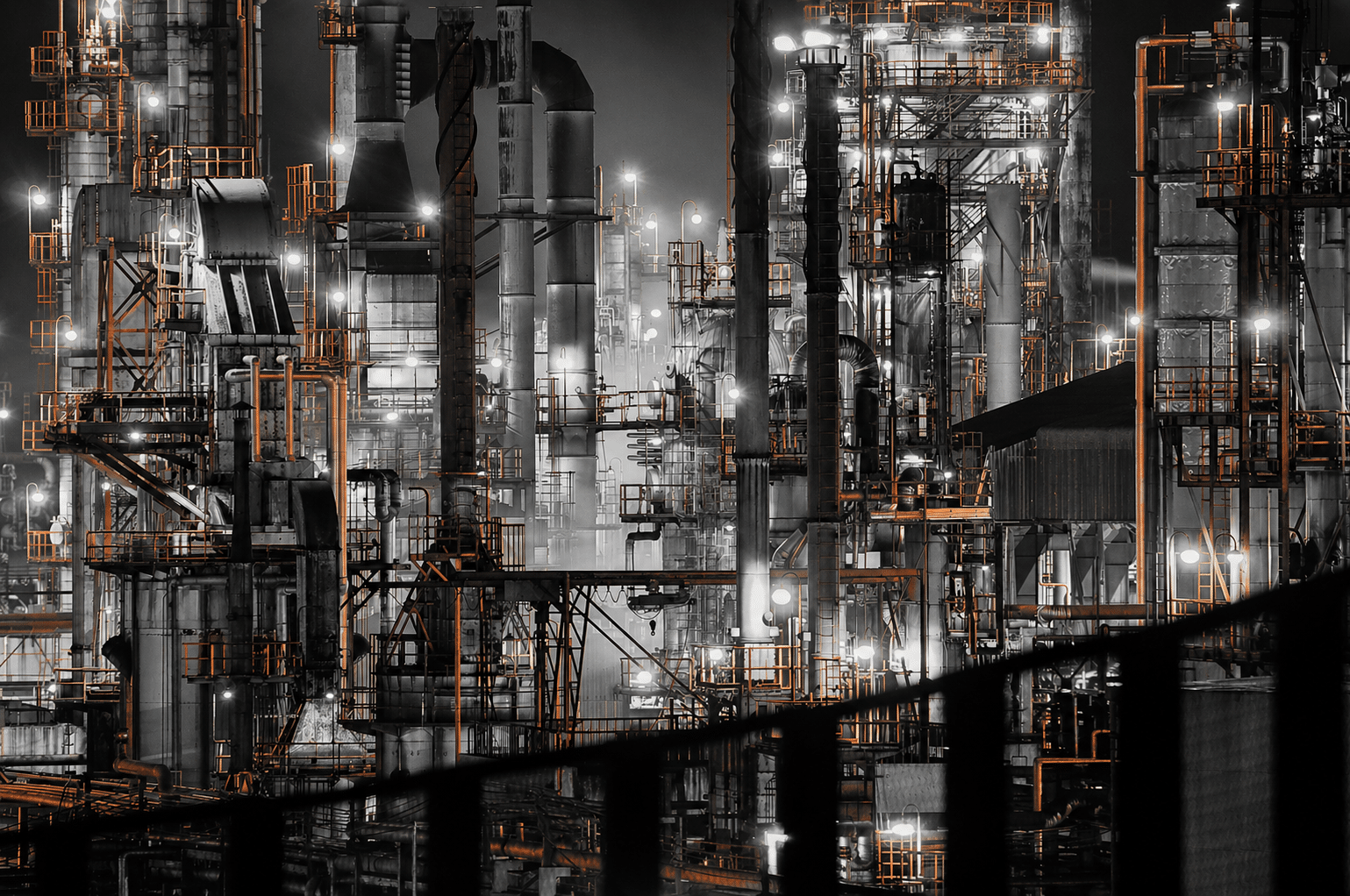
Gasification & Chemical Recycling
Gasification is emerging as a key technology in the transition toward a circular carbon economy.
Learn MoreGasification & Chemical Recycling
-

Energy from Waste & Biomass
Energy-from-Waste (EfW) and Biomass plants play a critical role in the transition to a circular, low-carbon economy.
Learn MoreEnergy from Waste & Biomass



